The Guide
The CEO’s Guide to Positioning
How to own a single concept in your customer’s mind.
Five short chapters on what positioning is, why it is always a noun, and what separates a position competitors can copy from one they cannot.
Alongside them sit real reads of real companies — what each one sells, and what its buyers are actually buying.
Free to read · 20 minutes
01
Identity, not messaging
What positioning actually is
Positioning is not a tagline. It is not a messaging exercise, a rebrand, or a new set of adjectives on the homepage. Positioning is the concept your company owns in a customer's head before they have read a single word you wrote.
That distinction matters because it changes who does the work. Messaging belongs to marketing. Positioning belongs to the CEO, because it decides what you build, who you hire, what you refuse, and where the money goes.
Here is the test. Delete every claim on your website. Remove the copy, the slogans, the case studies. Look only at the pattern of decisions the company has made over the last three years. What single idea do those decisions prove? If the answer is clear, you have a position. If you cannot answer without the marketing, you have messaging.
Seen in practice

12 October 2026
North of Brooklyn — Positioning a pie
A note before you read: Josh and Alex, I have a lot of respect for what you have built at North of Brooklyn over fourteen years.
Read
14 August 2026
Ramp: The Best Experience Is the One You Don’t See
Ramp, Eric Glyman, and the position they built by accident and never named A note before we begin: I have been watching Ramp for a while now…
Read02
Nouns, not adjectives
The answer is a noun, never an adjective
Most companies describe themselves with adjectives. Faster. Smarter. More reliable. Every one of those is a comparison, and a comparison keeps you inside someone else's category, arguing on their terms.
Concepts are nouns. Volvo owns safety. Amazon owns convenience. A noun is a place in the mind, and a place can be owned. An adjective is a claim, and a claim can be matched by any competitor with a copywriter and an afternoon.
So the question is not what are we better at. It is what one word do we want to be the answer to. If the word you land on ends in -er or -est, keep going. You have not found it yet.
The noun underneath
- WEKAMomentum
- From storage speed to momentum — compute that never becomes the excuse.
- Starr InsuranceNerve
- From coverage breadth to nerve — the insurer for the risks others won't write.
Seen in practice
1 July 2026
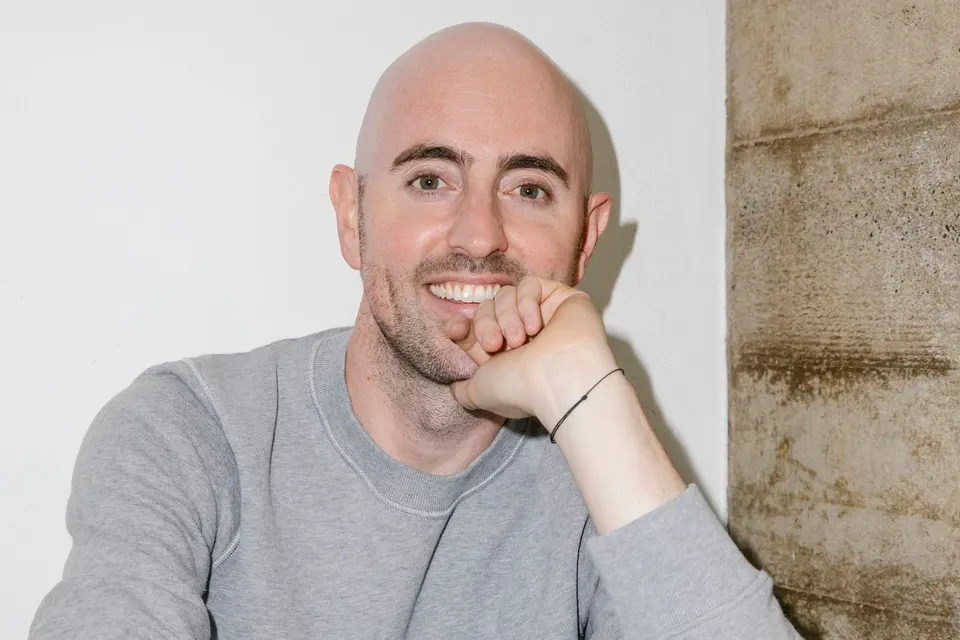
Fin: The Man Who Hated Bots Now Sells the Most Personal One
I have been following what Intercom, now Fin, has been building for years. Eoghan McCabe’s willingness to destroy a functioning business to rebuild it around a conviction is rare…
Read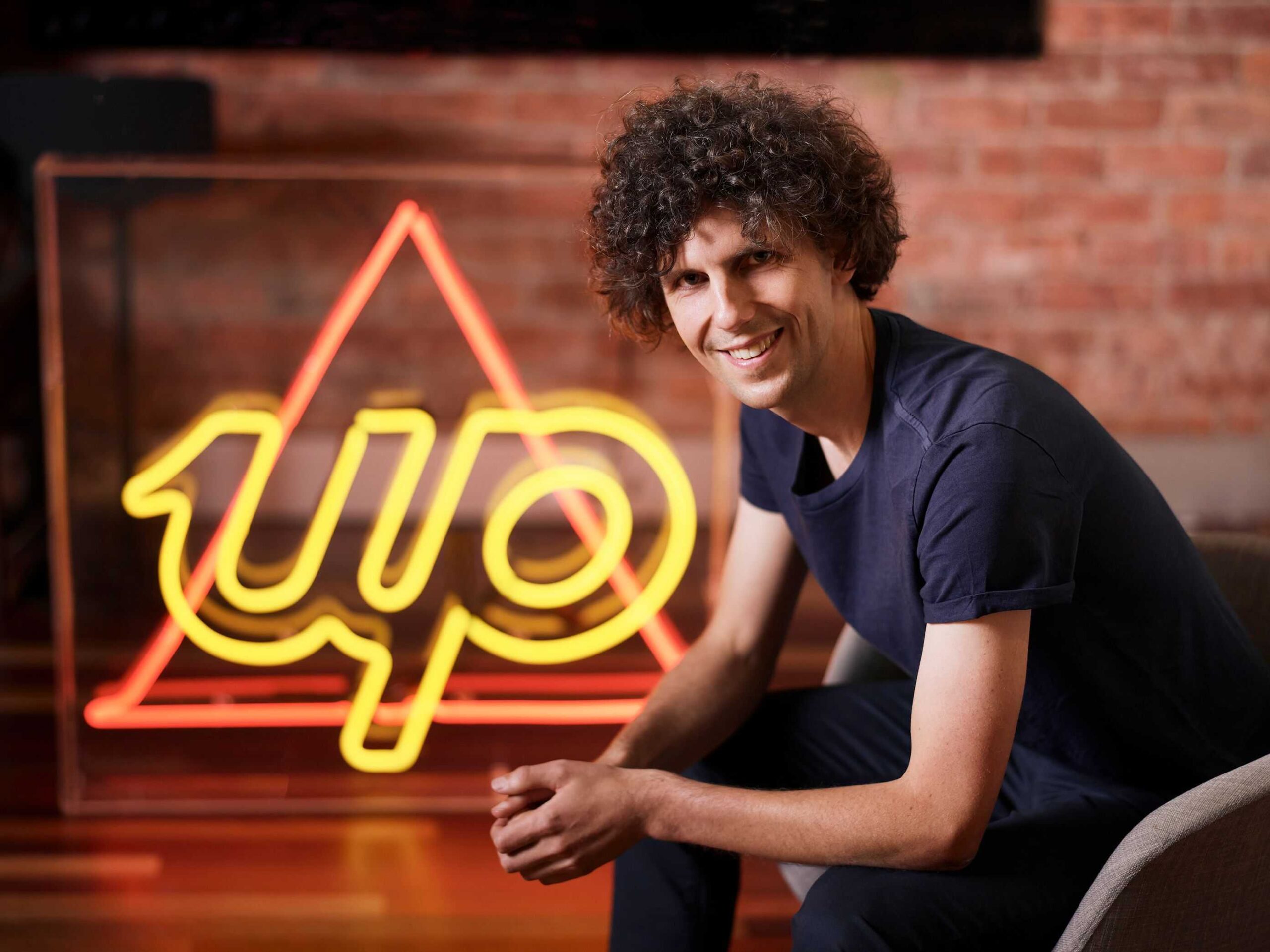
8 June 2026
Up Didn’t Build a Bank. It Built a Generation of Savers
A note before you read this: Dom, Grant, Xavier: I have been watching what you have built with genuine admiration for the past few weeks.
Read03
Gravity, not Glitter
Gravity and Glitter
Glitter is positioning that lives in language. It is visible, satisfying, and gone in three weeks, because anyone can say the same thing on Monday.
Gravity is positioning that lives in the structure of the business. Pricing that only makes sense if the position is true. Hires that would be irrational otherwise. Products you refuse to ship. Customers you turn away.
The way to tell them apart is one question: would a competitor look at this decision and say, we could do that, but why would we want to? If the answer is yes, it is Gravity. Copying it would cost them something they are not willing to give up. That is what makes a position defensible instead of merely well written.
Structure, not slogan
- ProcoreOne truth
- From project software to one truth — everyone building from the same drawing, today.
- RyanRecovered value
- From tax work to recovered value — the firm that finds what others leave behind.
Seen in practice

24 May 2026
The Noun Elon Musk Left Out of the SpaceX S1: A Positioning Read of the June 12 IPO
A note before you read this: SpaceX has been operating for 24 years, and the part of the company most worth respecting is the part the financial press does not write about: the engineering…
Read
12 May 2026
Cloudflare built the internet’s Immune Layer
A note before you read this: I’ve been watching Cloudflare for a long time. What Matthew Prince, Michelle Zatlyn, and Lee Holloway built, and what the team continues to build…
Read04
Four levels
The four levels
Positioning moves through four levels, and the levels cannot be skipped.
Saying It is how you articulate the idea. It takes weeks and it gets copied. Proving It is measurable outcomes that back the words up, on ninety-day cycles. Living It is structural: resource allocation, org design, who you hire and who you let go, over twelve to twenty-four months. Owning It is the end state, where the concept and the company are the same thought in the customer's head. That takes years to build and decades to defend.
Most companies perfect the first level and never touch the other three. That is why their positioning keeps getting stolen. There is nothing underneath it to steal from.
Seen in practice

25 March 2026
Nerdio: The Command Layer
A Note Before You Read: I’ve been following Nerdio and Vadim’s work the past few weeks, paying close attention to the content, the conference, the community…
Read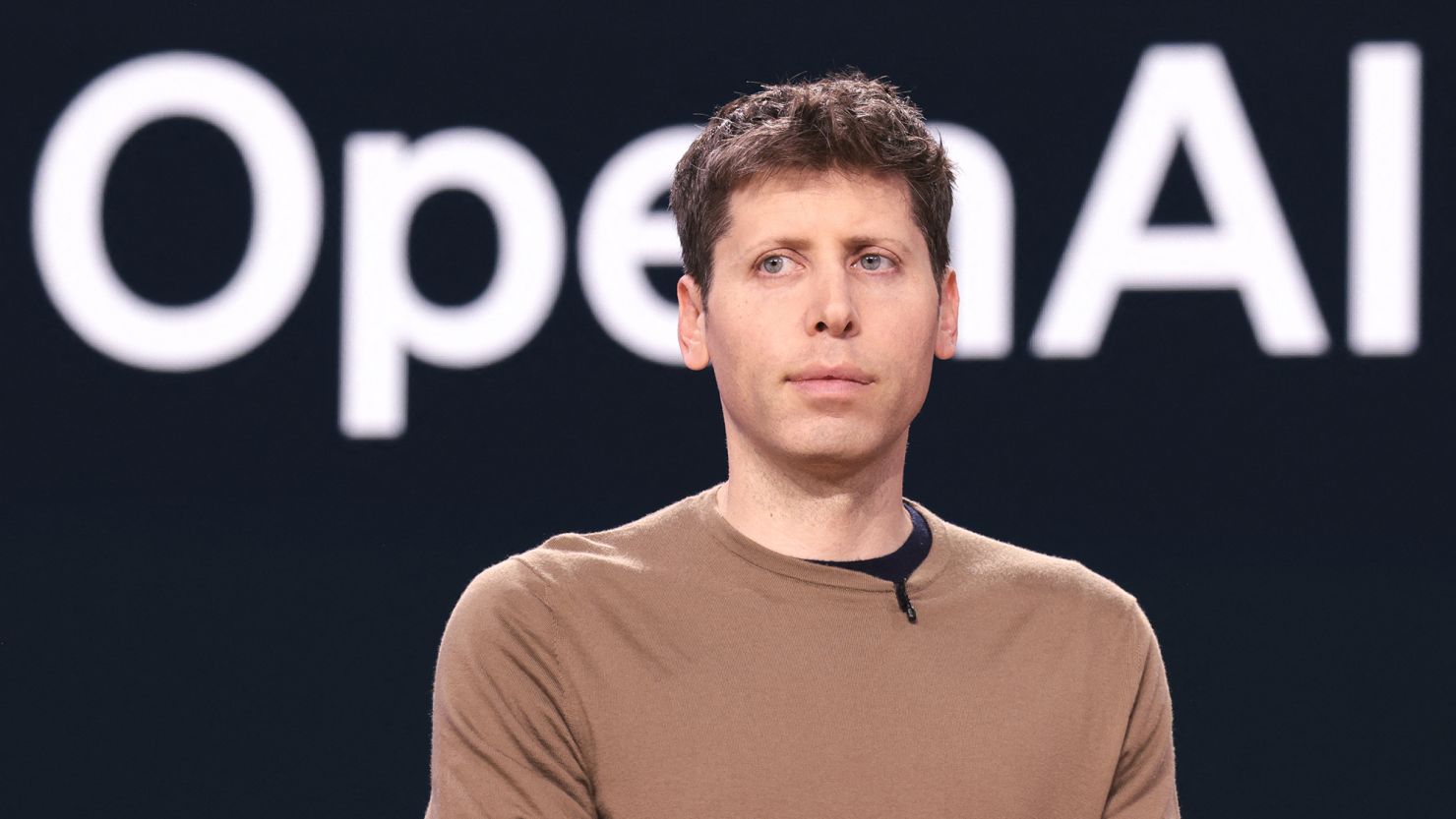
9 March 2026
OpenAI: The Intelligence Utility
From Clarity to Gravity: OpenAI + Sam Altman A positioning analysis of the company that created a category, owns a product noun, and is searching for the concept underneath.
Read05
The perception gap
The perception gap
There is what you sell, and there is what people buy. The distance between the two is the most expensive blind spot in most businesses, and it is invisible from the inside.
A company sells a platform. Customers buy the relief of not having to think about a problem again. A company sells consulting hours. Customers buy cover for a decision they are already frightened of making. When the gap goes unexamined, the whole go-to-market machine spends money arguing for the wrong thing.
Closing it starts with two honest views held at the same time: what you can actually deliver, structurally, and what customers actually feel when they choose. Both, or neither works.

The eight states a position passes through, in order
How a position is created

Six of the eight steps that create a position belong to you.
The last two do not, and they are the only two that count.
Most positioning work stops at step two. Here is the sequence.
1–6 · The company decides
1Convictionthe founder's standard
A founder's standard, held before there is a customer or a P&L to test it against. Free, reversible, invisible to everyone outside.
2Conceptone noun, chosen
One noun, chosen. Adjectives do not lodge in memory. Two nouns is zero nouns.
3Sacrificerevenue refused
The first move that costs something. Revenue refused, a segment turned away, a working product killed. Everything before this is a preference. This is where preference becomes evidence.
4Structurethe operating model bends
The operating model bends around the noun. Revenue, cost, information, relationships, innovation. If the noun vanished tomorrow and nothing in the business would have to change, the noun was decoration.
5Proofverbs, receipts, third parties
Verbs, not adjectives. Receipts a stranger can check without your permission. Third-party voices, which carry more weight than anything you will ever say about yourself.
6Repetition80% of touchpoints, for years
Around 80% of touchpoints firing the same pattern, for years. Not a campaign. A decade of not contradicting yourself.
Those six are yours. You can fund them, schedule them, audit them, and fire someone over them.
7–8 · The market decides
7Associationthe customer wires it
Association is not yours. That happens inside a customer's head, on their timeline, with no input from you. There is no way to install it.
8Positionthe market grants it
Position is not yours either. It gets granted. The market decides your company and the noun are the same thing, and it decides late, quietly, and without telling you.
This is why changing your messaging and words fails so predictably. Companies rewrite step two, skip three through six, and then wonder why seven and eight never arrive.
It is also why the cost is the whole point. If the sacrifice were cheap, a competitor could copy it by Friday, and nothing distinctive would ever wire.
Words come last. They describe what the business already decided. Put them first, and you are asking the market to believe a sentence nothing has paid for.
You do not create a position. You pay for one, and the market decides whether it was enough.
The gap, in public
What they sell, and what buyers are actually buying
Six outside-in reads. The left column is the company’s own framing. The right is what the buyer is trying to walk away with. The distance between them is the work.

Procore
Construction management software.
A jobsite where nobody is working from an old plan.

BDO Canada
Accounting, tax, and advisory services.
A firm that already knows their world before the first meeting.

WEKA
High-performance data infrastructure for demanding workloads.
Work that never waits on the data underneath it.

Ryan
Tax services and software for large enterprises.
Tax money found, recovered, and kept — with someone accountable for it.

Starr Insurance
Insurance coverage across complex risks.
Confidence that the unusual risk is somebody's specialty.

Krista
An agentic platform that builds your enterprise brain.
More work finished, with less time spent chasing it.
Prototype · Procore
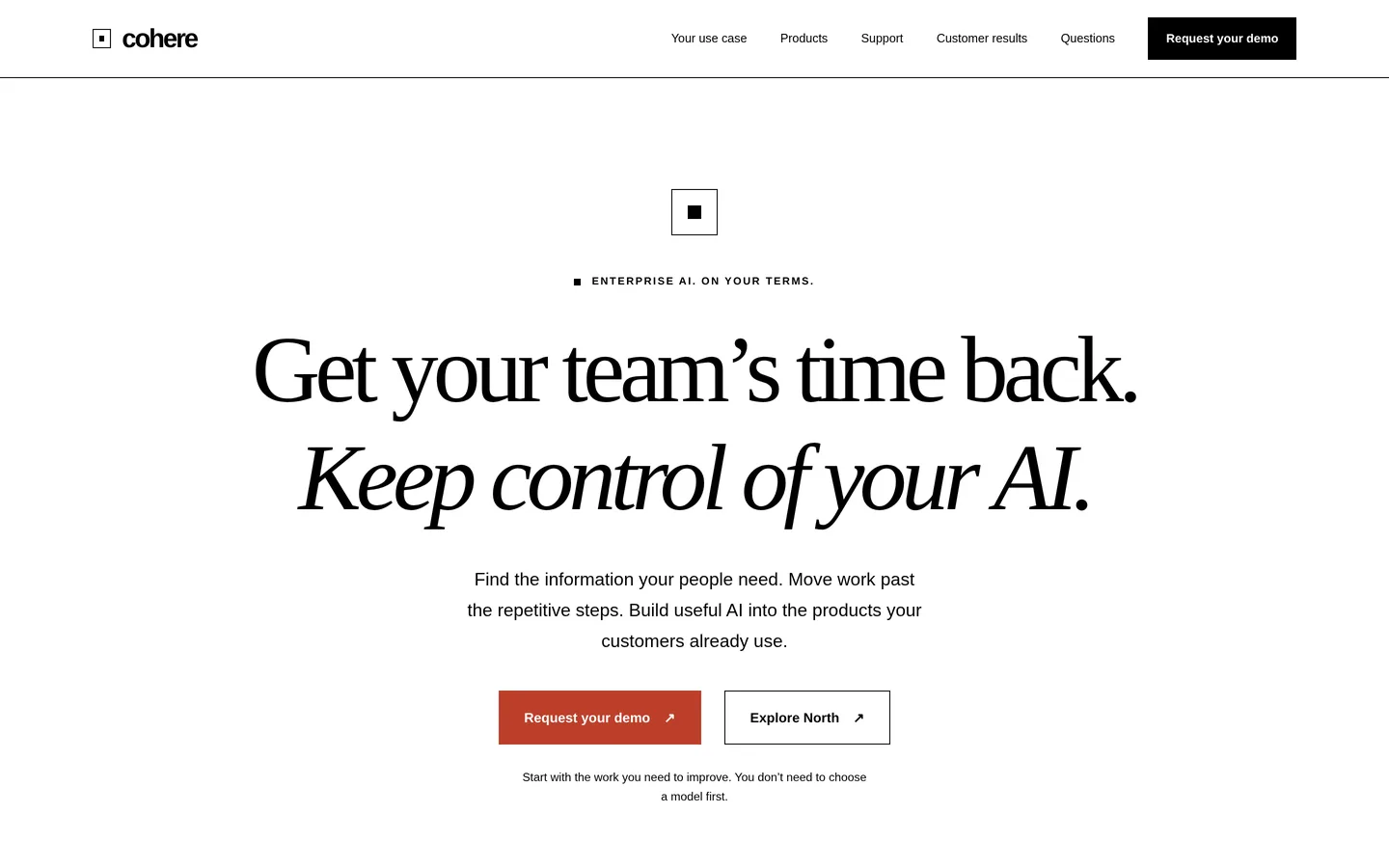
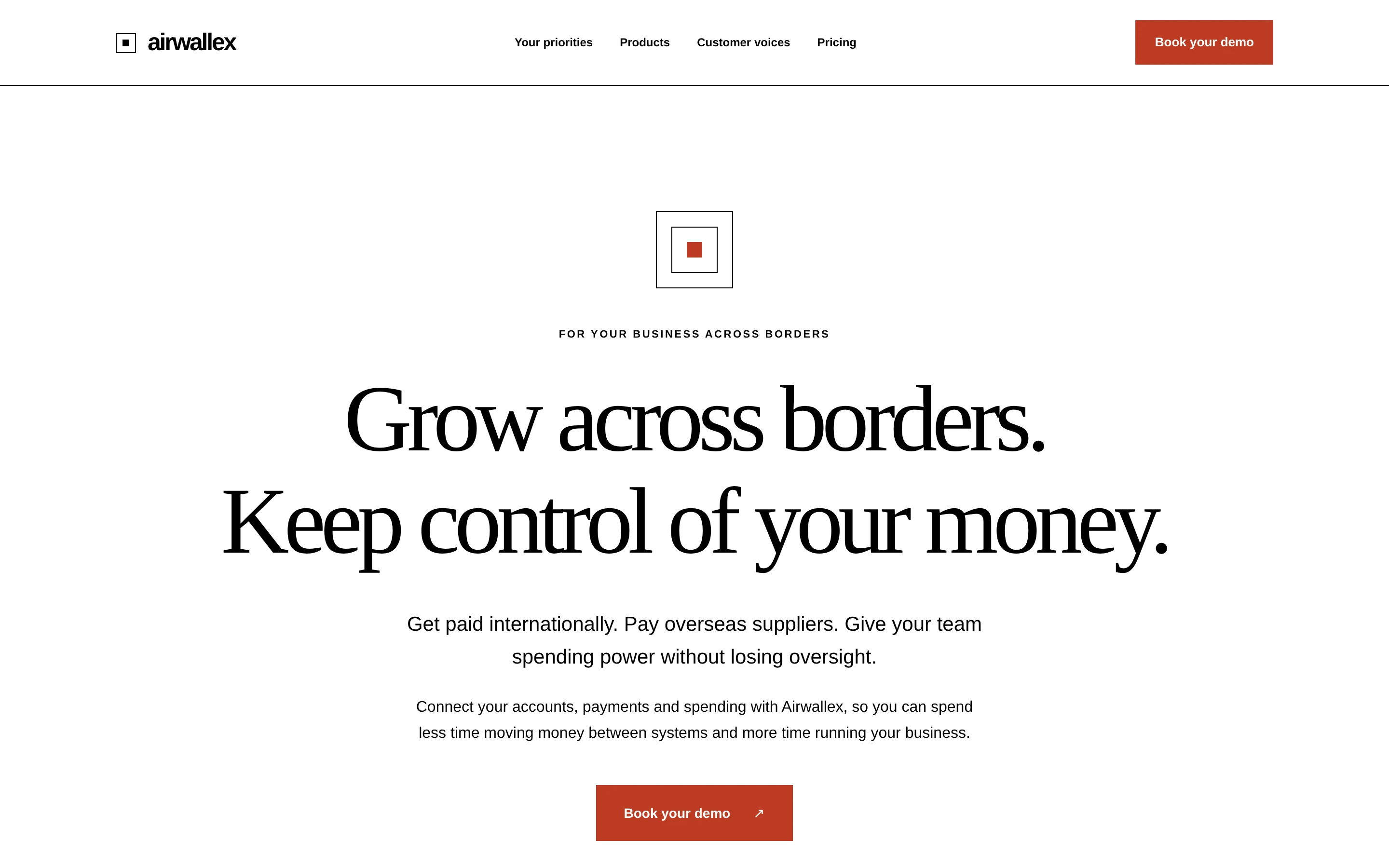
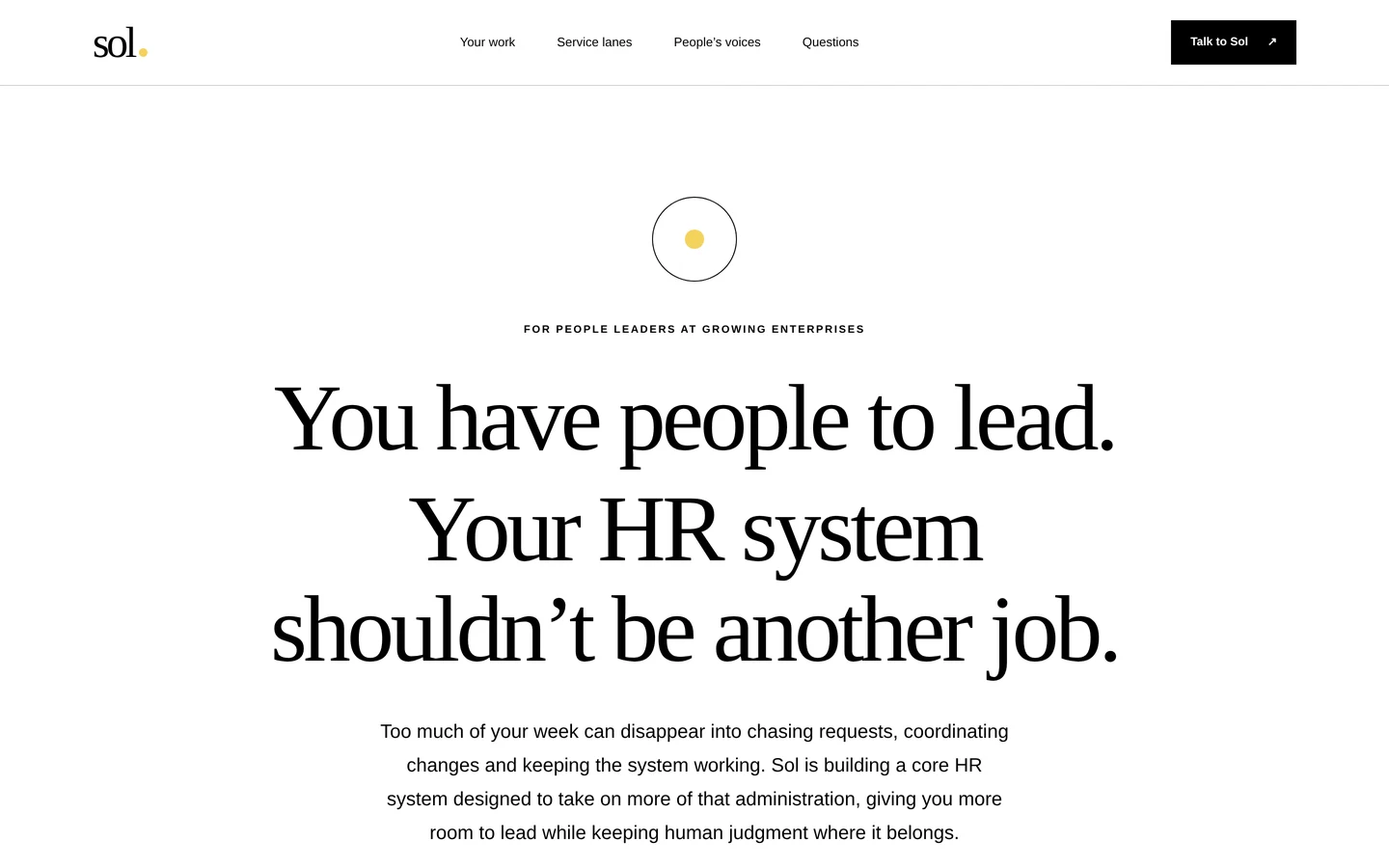
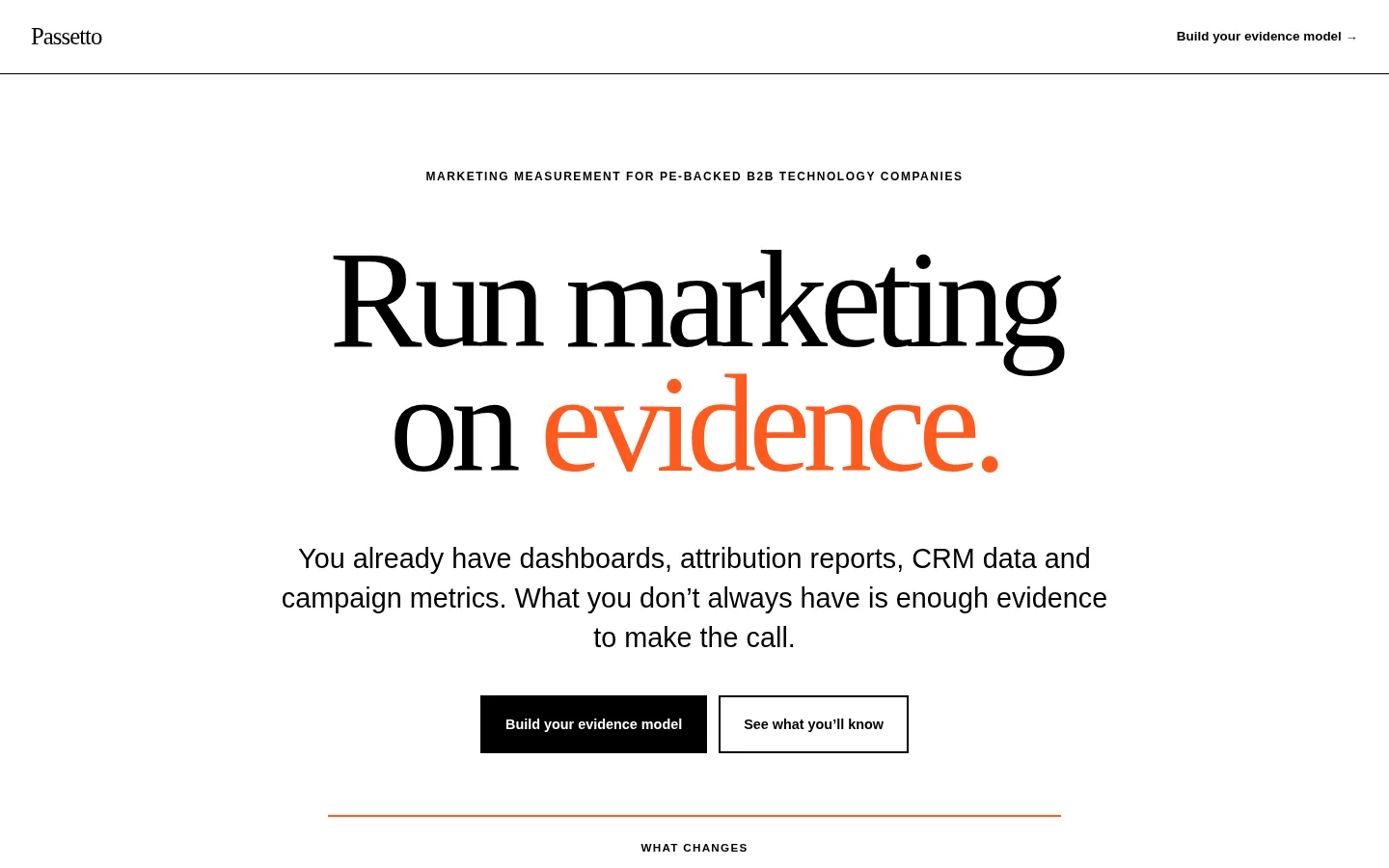
From project software to one truth — everyone building from the same drawing, today.
See all twelve reads
The Gravity Report
Positions taken apart, one company at a time
Each report reads one company’s decisions — pricing, hiring, product, capital — and names the concept those decisions actually prove. Not the one the marketing claims.
Latest writing
 20 October 2026Positions are made on the cutting room floor
 14 October 2026Tim Shore’s wild account of how blogTO was built, scaled, and sold for $15 million
- 12 October 2026North of Brooklyn — Positioning a pie
 11 October 2026Before I decide what to build
 11 October 2026You bought the shoes
 6 October 2026When switching banks becomes a conversation
Start here
Do you have the nerve to own your position?
Ten questions, ninety seconds, a score out of forty. Not a test of your position — a test of the conviction behind it. The second-guessing, the doors you keep open, the yeses that pull you off course. You'll see your score, your tier, and the three barriers quietly undoing your positioning.
Free. No pitch until you ask for one.